
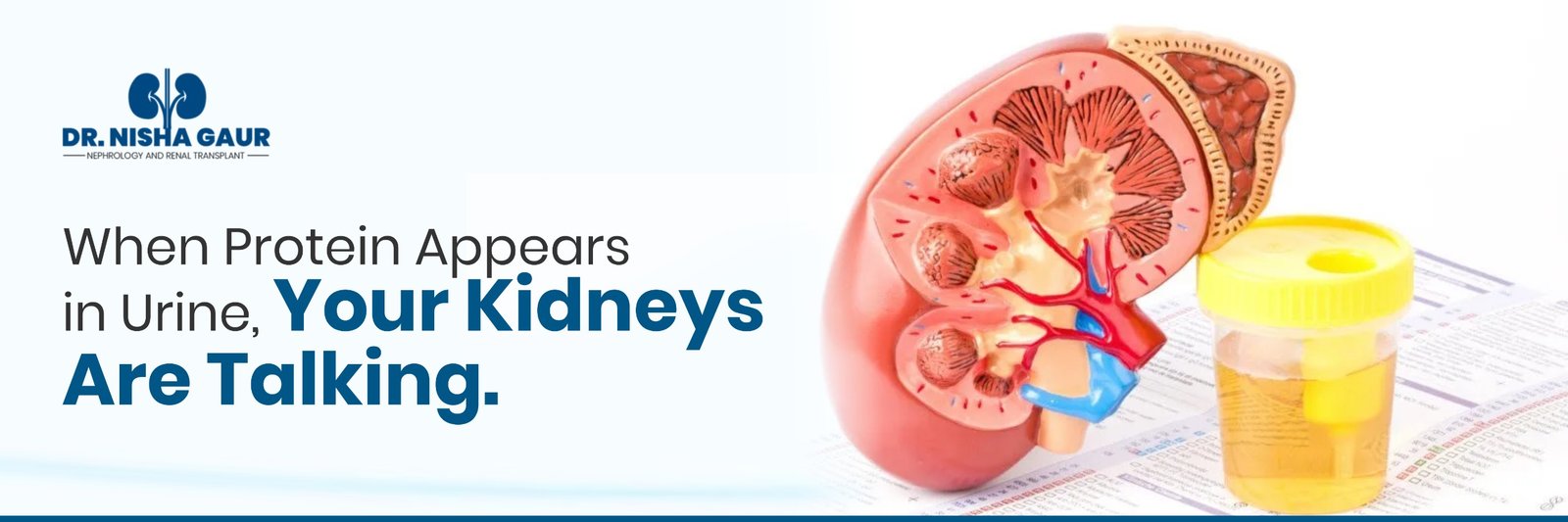
Protein in urine is a failure in the health of a person that most people only encounter when they have a normal urine test. Simply stated, protein in the urine implies that there is a leakage of protein in the urine and it is not supposed to be there. The condition is additionally referred to as proteinuria.
Protein is highly significant to our body. It assists in muscle building, tissue restoration, and maintenance of the immune system. Normal kidneys ensure that the level of protein in the blood remains normal and is not lost to the kidney. When the protein begins to appear in the urine, in most cases, it is an indication that the kidneys are functioning improperly.
The presence of protein in urine is not to be disregarded. It does not in most instances produce pain or definite symptoms in the initial phases. Due to this fact, individuals might not note that there is a problem until it becomes serious. When untreated, protein in urine may gradually cause damage to the kidneys and even cause chronic kidney disease.
Protein in urine is not permanent and dangerous in certain individuals. In other cases, it can be an early detection of kidney complications, diabetes, high blood pressure, or other conditions. It is all about early diagnosis.
In case you or your family member is already diagnosed with this, you should refer to a skilled kidney specialist. To be well diagnosed and taken care of, you can approach Dr. Nisha Gaur who is the best nephrologist in Jaipur to have a better check and prescription.
1. What Is Protein in Urine?
Protein in urine implies that the correct amount of protein is found in the urine. This health complication has the medical name ‘proteinuria’.
The functions of our kidneys are like natural filters. On a daily basis, they filter the blood by eliminating waste materials and excess water that are converted into urine. Simultaneously, healthy kidneys retain such essential substances as protein within the blood.
When kidneys are healthy:
- Waste passes into urine
- Protein stays in the blood
The weakened filters occur when kidneys have been damaged or overloaded. Due to this, protein spills down into the urine. This is the reason why when the kidneys are affected, protein will be present in the urine.
Protein in urine may occur due to a lot of reasons. It is not always long-lasting and harmful. It is also an indicator of kidney disease in other occasions that require medical treatment.
2. What Is the Normal Level of Protein in Urine?
Normal protein content in urine is very small. Sometimes they may be present in small quantities, although in large amounts, it is unnatural.
A urine test is a test that is normally performed by doctors to determine protein. Depending on the content of the protein, the condition is classified into various degrees.
Protein in Urine Normal Level Table :-
| Level | Protein Level Amount | What It Means |
| Normal level | Less than 150 mg per day | Normal working kidneys |
| Mild proteinuria | 150–500 mg/day | An early or transient stress on the kidney |
| Moderate proteinuria | 500–3000 mg/day | Potential kidney disease |
| Drastic proteinuria | Above 3000 mg per day | Massive renal damage |
Protein in Urine Temporary or Persistent
A. It can be temporary and may occur because of:
- Fever
- Dehydration
- Heavy exercise
- Stress
This type normally self-heals.
B. Persistently present protein in urine implies that protein is present repeatedly in multiple tests. This frequently leads to kidney disease or some other chronic illness and requires medical treatment.
3. Symptoms of Proteinuria
Protein in urine symptoms are usually silent at initial stages. Quite a number of individuals do not get a strange feeling at the beginning.
1. Early Symptoms
Protein in urine may not result in very clear symptoms in the initial stages. That is why it is significant to conduct regular urine tests.
2. Observable Evidence of Protein in the Urine
As protein loss progresses, the symptoms can become apparent and this may include:
- Foamy or bubbly urine
- The legs, feet, ankle, hands, face swelling
- Feeling tired or weak
- Fluid build-up resulting in weight gain
The swelling occurs due to the fact that protein assists in retaining fluid within the blood vessels. In case of loss of protein in the urine, the fluid leaks into the tissues and results in swelling.
3. When Do Symptoms Appear?
Symptoms normally appears when the loss of protein is moderate or excessive. At this stage, there will be possible damage to the kidneys. That is why you should have early testing although you feel fine.
4. Causes of Protein in Urine
Causes of protein in urine can be categorised into various groups according to the cause.
1. Kidney-Related Causes
These reasons have direct influence on the kidneys.
- Chronic kidney disease
Permanent damage to the kidneys through damage - Glomerulonephritis
Kidney inflammatory filters which allow leakage of protein - Kidney infections
Infections are able to destroy tissues within the kidney and influence filtering
2. Medical Conditions
There are certain health issues that put one at risk of protein in the urine.
- Diabetes
Too much glucose in the body destroys the kidney filters in the long run - High blood pressure
The strains on kidneys damage blood vessels - Heart disease
Inequality of blood flow influences the functions of the kidney
3. Temporary Causes
Such reasons do not normally cause a permanent kidney damage.
- Dehydration
Dehydration causes urine and protein concentration - Fever
Kidneys are subjected to temporary stress on the body - Heavy exercise
Transient protein leakage may result in intense physical activity - Pregnancy
Protein in the urine during pregnancy can be temporary though it must always be checked
5. How Is Protein in Urine Diagnosed?
Various tests are used by doctors in order to identify the cause and diagnose it.
- Urine Routine Test
The first and the most widespread test is this. It also tests protein, sugar, and infection in the urine.
2. Urine Protein Test
It is a test that determines the protein level in urine.
3. 24-Hour Urine Protein Test
A urine collection of 24 hours is conducted to measure a 24-hour total protein loss. This test provides valid results.
4. Blood Tests
Blood testing assists in the checking of kidney performance such as:
- Creatinine
- Estimated glomerular filtration rate (eGFR)
5. Advanced Tests
Additional examinations, such as ultrasound or kidney biopsy, can be recommended when:
- Protein levels are very high
- Renal dysfunction is deteriorating
- Cause is unclear
6. Protein in the Urine (Proteinuria) Treatment
Proteinuria is treated depending on its cause. It does not have a standard treatment that suits all.
1. Popular Therapy Methodologies
- Treating the main cause
Treating diabetes, blood pressure, or infections - Medicines to prevent kidney diseases
Some drugs decrease the protein leakage and safeguard kidney filters - Diet changes
Limiting salt consumption and limiting protein intake when recommended by the physician - Lifestyle changes
Frequent exercise, obesity control, and smoking cessation
2. Essentials of Early Treatment
Early treatment helps:
- Slow kidney damage
- Prevent kidney failure
- Improve quality of life
Protein in the urine should not be ignored because it may cause severe kidney complications later on.
Frequently Asked Questions (FAQs)
- What is the normal urine level of protein?
Normal protein concentration of urine is below 150 mg/day. This can be checked by a doctor.
2. Is protein in urine serious?
Urinary protein may be life-threatening when chronic. It can be a symptom of kidney disease at a young age, and it is always necessary to consult a doctor.
3. Can protein in urine be cured?
Protein in the urine, in most instances, can be treated or managed through treatment of the cause. Timely diagnosis is more successful.
4. Does proteinuria always indicate kidney disease?
No, not always. Urine temporary protein may be as a result of fever, exercise, or dehydration. Repeated protein generally requires consideration.
5. Does protein disappear on its own in the urine?
Protein interim in urine could vanish. Persistent protein normally cannot fade away.