
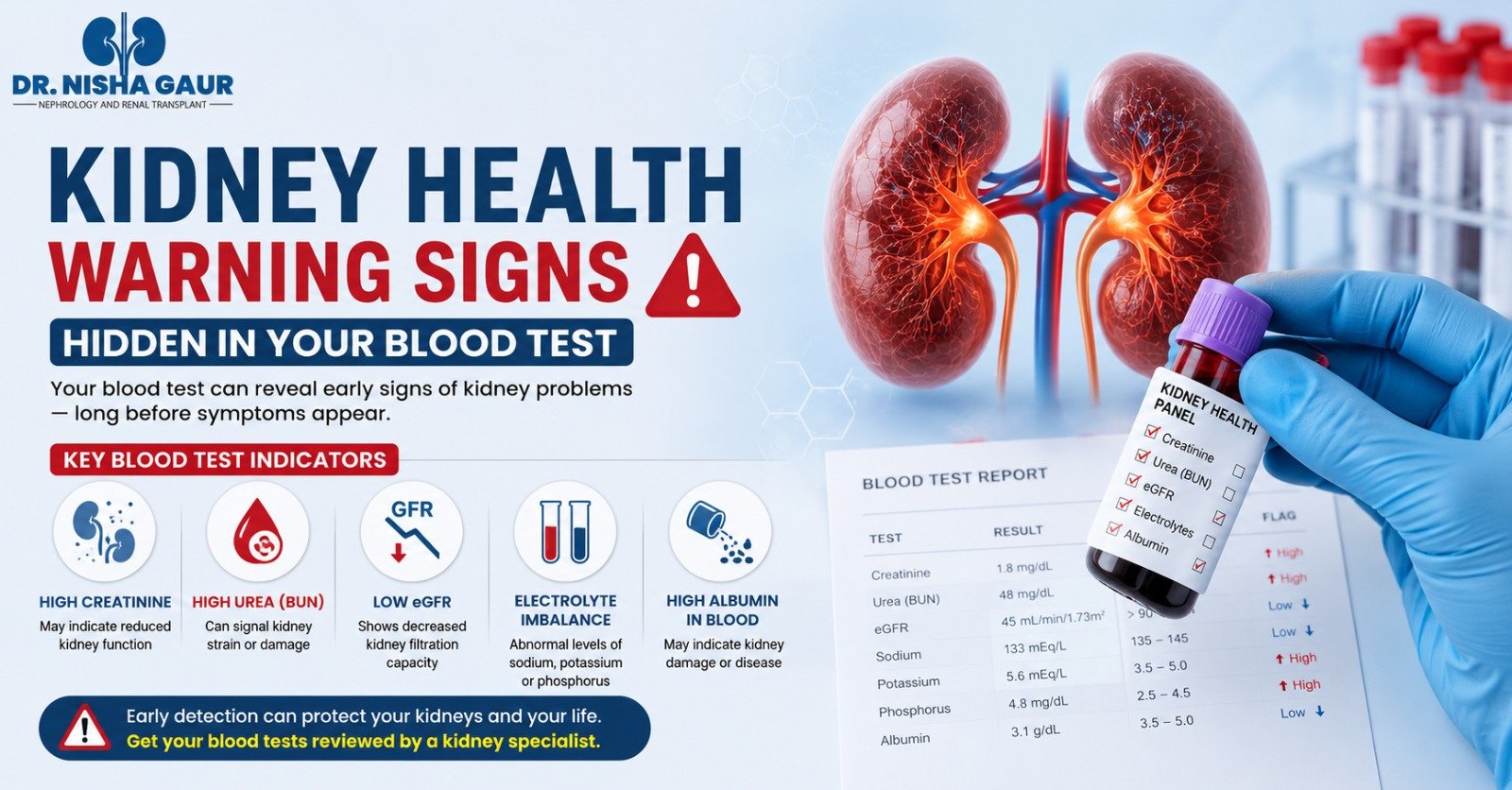
Your kidneys are the filter in your body. They are constantly active to excrete metabolic waste, balance essential minerals and control fluid levels. But, chronic kidney disease (CKD) is a stealth disease. It is frequently a gradual process that occurs over months or years, and does not manifest as any noticeable physical changes. When someone starts to see big changes in their body, it means that the kidneys have already lost a significant amount of their function.
That’s why blood screening is essential for prevention. Blood tests can detect early structural damage or dysfunction long before you start to feel unwell. Understanding your blood report is the initial key to safeguarding your long-term wellness, and if you’re keeping an eye on these markers or simply trying to find a reliable Nephrologist in Jaipur.
Why Blood Tests Matter for Kidney Health
As kidney function decreases, waste products in the body start to accumulate in the blood rather than being excreted in the urine. A routine blood report is a window of this process.
A blood report will indicate:
- The efficiency of your kidneys to remove cell waste from your body every day.
- If critical minerals and electrolytes are in balance.
- Long-term effects from kidney strain (a decrease in red blood cells or underlying tissue inflammation).
By detecting these changes in the body’s chemistry, you can begin treatment with a medical professional before the disease progresses to chronic kidney disease.
Important Blood Test Markers Linked to Kidney Health
Doctors will focus on a number of critical biochemical indicators to properly evaluate renal condition. Let’s dissect exactly what these values represent and just how they mark underlying problems.
High Creatinine Levels
Creatinine is a natural waste product, produced by the muscular breakdown, which occurs as normal metabolic function. Normal kidneys remove creatinine from the blood and eliminate it completely by way of urine. When your blood test shows a high creatinine, it typically means that your kidneys’ filtering units are not getting along with the job of filtering.
Creatinine is a warning sign when the levels are high:
- Lack of energy and overall weariness.
- Muscle cramps or weakness with minimal activity.
- A significant decrease in the amount of urine produced in a day.
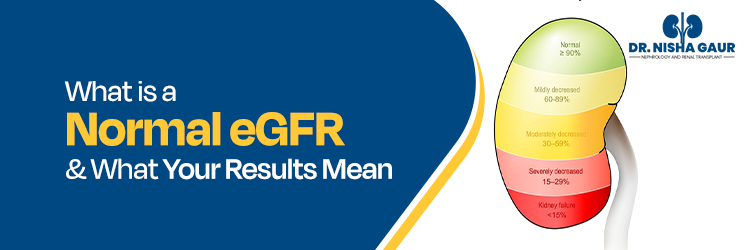
What is eGFR and Why is it Important?
The eGFR (Estimated Glomerular Filtration Rate) is regarded as the best indicator of kidney function. It is mathematically determined based on your blood creatinine, age, biological sex and size. The eGFR is not just a number pointing to how much waste is being filtered, but it is a number indicating how well your kidneys are filtering waste per minute.
General eGFR Ranges:
- 80-90: Normal, healthy kidney function.
- 60-89: Slightly decreased function; needs monitoring if there are risk factors such as diabetes or hypertension.
- 30 to 59: Moderately reduced function; a good sign is early or mid-stage chronic kidney disease (CKD).
- 15-29: Very low kidney function – special medical attention is a serious emergency.
- < 15 = Critically low function, which means there is advanced kidney failure and it needs urgent therapeutic intervention.
High Blood Urea Nitrogen (BUN)
Another product of protein metabolism produced by your liver is called urea nitrogen. It is excreted in the same way as creatinine, with the help of the kidneys.
High BUN Levels May Indicate:
- Slow filtration of blood in the kidneys.
- Severe systemic dehydration.
- A diet high in protein or recent upper gastrointestinal bleeding.
Symptoms You Should Watch:
- A constant metallic taste in your mouth.
- Regular and frequent bouts of nausea or a sudden loss of appetite.
- Sudden memory loss or trouble concentrating on activities.
Electrolyte Imbalance in Blood Tests
Your kidneys precisely control the amount of minerals in your blood. These fragile electrolyte relationships can quickly change when filtration becomes compromised, leading to a series of systemic problems.
Potassium Imbalance
Potassium plays a key role in the proper functioning of muscles and the continuous electrical communication between the heart. Your kidneys are responsible for managing your levels of excess potassium, so when your kidneys stop working as well, it can cause an abnormally high level of potassium in your blood (hyperkalemia).
Symptoms of High Potassium:
- Palpitations or sensation of the heart fluttering that can be seen or felt.
- Rapid onset of extreme muscle weakness or numbness in hands and feet.
- Nausea and chest pain.
Sodium Imbalance
Kidneys keep the body’s water and sodium levels in proper balance. Failure to maintain balance of these can result in drastic changes in sodium levels, causing large shifts of fluid in the cells.
Dizziness: Sudden changes in blood sodium can cause an unstable systemic blood pressure, resulting in numerous headaches, unsteadiness on standing and dizziness.
Additional Kidney Red Flags in Your Blood Report
Kidney health affects other systems in the body, and may show unique findings in various parts of a complete blood profile.
Low Hemoglobin Can Be a Kidney Warning
Your bone marrow is stimulated to make healthy red blood cells by a type of hormone called erythropoietin (EPO) which your kidneys make. As chronic kidney disease progresses, the kidneys do not make enough EPO and cause a form of chronic anemia.
Symptoms of Kidney-Related Anemia:
- Pale or washed-out skin and gums, and nail beds.
- Low body temperature in warm rooms.
- Difficulty breathing when performing everyday tasks, such as climbing stairs.
High Uric Acid Levels
Uric acid is a waste product formed from uric, which are organic compounds. It doesn’t get removed from the blood by the kidneys and when it gets into the blood it crystallizes in the joints and soft tissues.
Signs of High Uric Acid:
- Sudden, severe joint pain (gout attacks) usually in the big toe, ankle or knee.
- Rheumatic inflammation of the affected joints, characterized by redness, warmth and localized swelling around the joints.
Protein Loss and Kidney Damage
In healthy kidneys, there are microscopic filters that allow waste to flow through, while keeping large molecules, such as a major protein called albumin, in the blood. If these filters become damaged, then albumin starts to be lost in the urine, which leads to a decrease in blood albumin.
Signs of Low Albumin:
- Swelling around the eyes (periorbital edema): Periorbital edema is one of the most common early signs of kidney protein loss and can be seen around the eyes. Osmotic forces in your blood are diminished by lack of proteins and fluid is lost into the loose tissues around your eyes, hands and ankles.
Blood Sugar and Kidney Health
Permanent kidney tissue damage is the most common cause of blood sugar out of control around the world. As the number of blood glucose molecules rises, these tiny blood vessels in your kidneys are damaged. This is called diabetic nephropathy.
Important Tests: Make sure to monitor your Fasting Blood Glucose and HbA1c (which is a blood sugar measurement for the past 3 months) so your metabolic health will not quietly be undermining kidney function.
High Blood Pressure and Kidney Damage
Your body’s kidneys regulate blood pressure by releasing special fluid-regulating hormones. When the kidneys are stressed, they can produce excessive amounts of these hormones which can cause your blood pressure to rise. On the other hand, high blood pressure physically damages the delicate blood vessels in the kidneys, resulting in an escalating vicious cycle of structural damage.
Warning Signs Include:
- Chronic, mild headaches in the morning.
- Sudden, unexplained blurred vision.
- Repeated nosebleeds, or ringing noises in the ears.
- Early Signs and symptoms to never ignore.
Early Symptoms You Should Never Ignore
Your body may give away very noticeable physical clues, or your blood might give away definitive chemical proof.
Watch for These Signs:
- Foamy or Bubbly Urine: A good indication that protein is actually being lost in the urine.
- Frequent Urination: A need to urinate many times during the night.
- Persistent Skin Itching: (toxic mineral waste) occurs when mineral wastes such as phosphorus accumulate under the skin and cause it to itch.
Who is More at Risk of Kidney Disease?
Other people may have a much greater chance of getting renal complications because of their underlying health and lifestyle.
High-Risk Groups:
- People who have Type 1 or Type 2 Diabetes.
- Persons with long-standing Hypertension (High blood pressure).
- People who have a known family history of kidney disease or a genetic kidney disease.
- Individuals greater than age 60 years due to a decrease in natural renal filtration efficiency with biological ageing.
How to Keep Your Kidneys Healthy
The proactive, day-to-day management of your health systemically can significantly decrease your kidney burden and maintain their function throughout your life.
- Drink Plenty of Water: Keep your kidneys functioning properly so that they can readily remove toxins from your body each day. But, do not over-hydrate, 2-2.5 liters per day is best for most adults.
- Manage Blood Sugar: Maintain blood sugar within target ranges with appropriate diet, routine medications and lifestyle changes to prevent micro-vasculature damage.
- Control Blood Pressure: Keep it maintained below 130/80 mmHg (mm of mercury) to prevent physical damage to the tissues of the kidneys.
- Cut back on salt: Diets high in salt cause high blood pressure, which can lead to fluid retention.
- Use Non-Steroidal Anti-Inflammatory Drugs (NSAIDs) sparingly: Non-Steroidal Anti-Inflammatory Drugs (NSAIDs) like ibuprofen or diclofenac are metabolized directly in the kidneys and may be responsible for very serious, acute damage to the kidney tissue if taken in excess.
- Be physically active: Aim for 30 minutes of moderate intensity aerobic exercise 5 days a week to reduce inflammation throughout the body and improve cardiovascular health.
- Stop Smoking: Smoking can reduce the supply of fresh oxygen and nutrients to the kidneys, which are required for them to function.
- Have Regular Blood Tests: Have a blood test panel (serum creatinine and eGFR) every year if you are in any of the above high risk categories.
When Should You Visit a Kidney Specialist?
If you have blood tests that keep your eGFR under 60, or if your urine is dark and foamy and you have swelling in your legs and face, you should consult your doctor. Chronic kidney disease (CKD) is a medical condition that takes special medical care to navigate. In Rajasthan, a comprehensive clinical evaluation with an experienced Nephrologist in Jaipur provides access to personalized treatment plans, dietary advice and advanced medical therapies that can help save your kidney health.
FAQs
Can kidney disease be detected through a blood test?
Yes. An ordered kidney function test will measure a number of key markers, such as blood urea nitrogen (BUN) and serum creatinine, and calculate your actual eGFR. These values are able to let doctors know exactly how well your kidneys remove waste from your body on a daily basis.
What creatinine level is considered dangerous?
Serum creatinine > 1.2 mg/dL (adult women) or > 1.4 mg/dL (adult men) is a general indication of stress to the kidney. Numbers greater than 5.0 mg/dL are indicative of serious, dangerous kidney dysfunction and warrant immediate medical treatment.
What are the early signs of chronic kidney disease?
Initial physical symptoms of early CKD may be none, but they can have symptoms such as persistent puffiness around the eyes, swollen ankles, increased urination at night and foamy or very bubbly urine.
Can kidney problems cause low hemoglobin?
Yes. The healthy kidneys make a hormone called erythropoietin (EPO), which stimulates the production of red blood cells. Damage to kidney tissue causes a decrease in the production of EPO which results in chronic anemia and extreme physical exhaustion.
Which doctor should I consult for kidney-related problems?
It is recommended to see a Nephrologist— a doctor specializing in the diagnosis and management of chronic kidney disease, electrolyte problems and renal health.
Need to find a specialist? Let’s discuss how to choose the right nephrologist.

1 comment