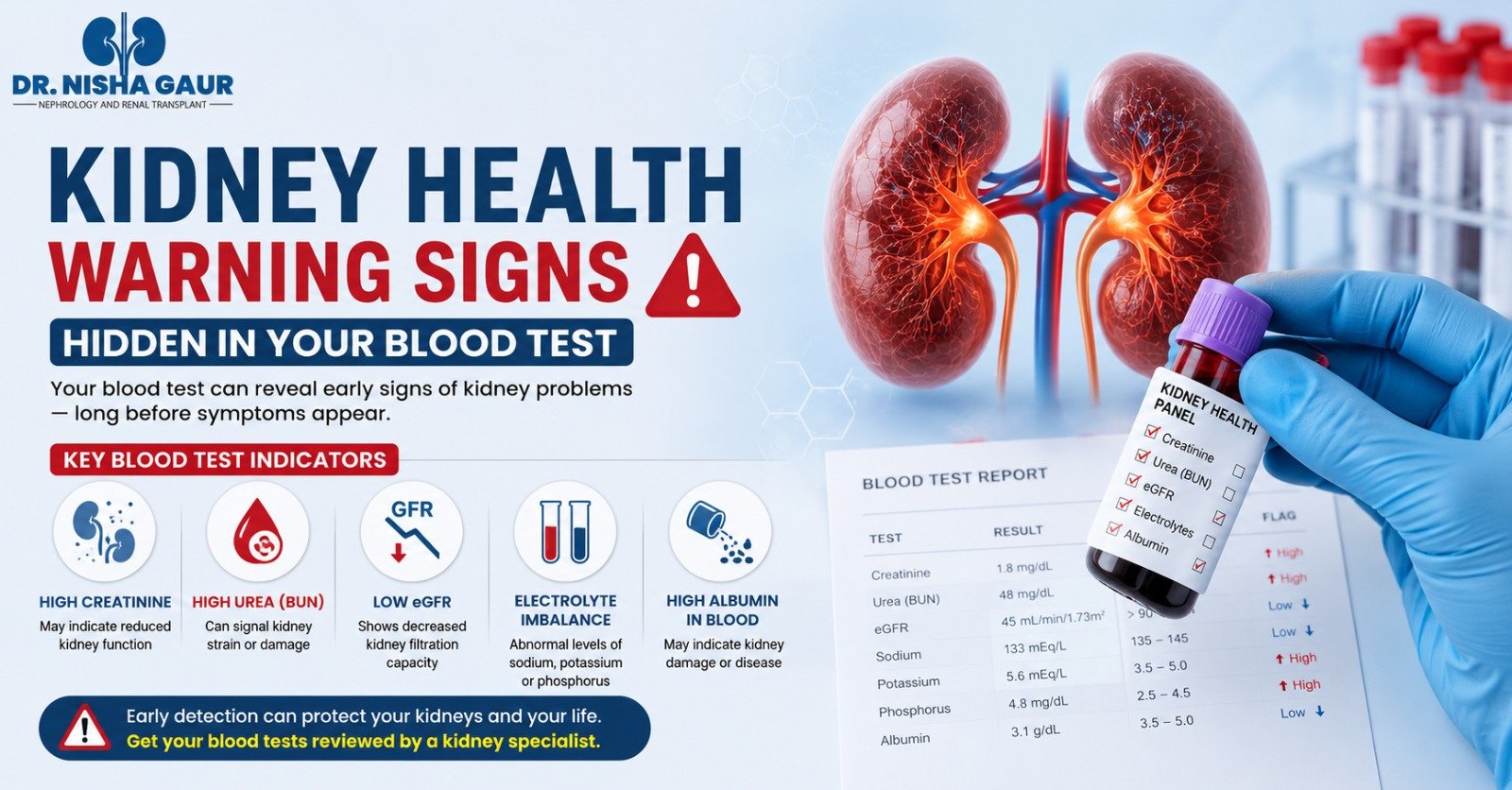
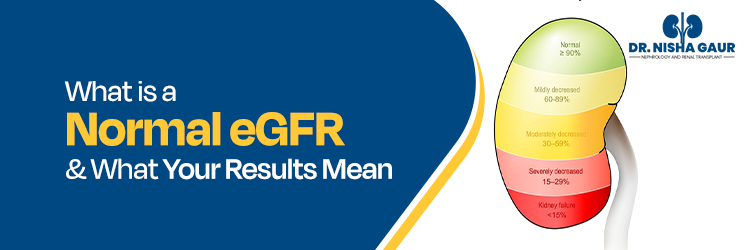
eGFR, also called the Estimated Glomerular Filtration Rate, is an indicator of the function of your kidneys’ waste and fluid filtering capacity. eGFR in blood test is a calculated level of kidney function using blood creatinine levels, age, sex, and other information. The normal range for eGFR for healthy adults is usually 90 mL/min/1.73m² or more, but this can decrease as people age. eGFR is one of the most useful markers of kidney health, and is used to check for kidney disease early, often before symptoms are noticeable. If there are no other indications of kidney damage, an eGFR of 60 to 89 may be normal in older adults. Any value less than 60 which remains for three months or more could be a sign of chronic kidney disease (CKD) and a value below 15 is a sign of kidney failure. A knowledge of the eGFR result can enable you to take proactive measures to safeguard kidney health, manage underlying conditions and to seek early medical attention if necessary.
Quick Answer – What Is a Normal eGFR?
eGFR Normal Range Guide
| eGFR Result | Meaning |
| eGFR 90+ | Normal kidney function |
| eGFR 60–89 | Mild reduction; may be age-related |
| eGFR Below 60 | Possible chronic kidney disease |
| eGFR Below 15 | Kidney failure or severe kidney damage |
The normal range for the eGFR is 90 or higher. Interpretation is based on age, medical history, and other parameters of normal kidney function, however.
What Is eGFR and Why Is It Important?
eGFR is an acronym for Estimated Glomerular Filtration Rate. It takes a guess at the amount of blood your kidneys filter each minute.
Millions of tiny filtering units (called nephrons) are found in the kidneys. These help to eliminate excess waste, toxins, and fluid from the blood. As kidney function decreases, the filtration rate becomes slower, and waste builds up.
One reason why knowing what is considered eGFR is important is that it can help to detect kidney issues early. eGFR is typically part of a regular kidney function check-up.
The blood creatinine level is estimated in a serum creatinine test, and the eGFR test uses the blood creatinine level to provide a more accurate estimate of overall kidney function. So, eGFR is frequently more useful than creatinine.
How Is eGFR Calculated?
The mathematical formula used to calculate eGFR—based on a mathematical formula that contains:
● Serum creatinine
● Age
● Gender
● Body characteristics
These variables are used in an eGFR calculator to predict kidney filtration. eGFR can be easily estimated from a regular blood test, and is calculated automatically by the doctor.
eGFR is a good metric to compare kidney function between different people since the amount of creatinine in the blood varies from person to person.
Normal eGFR by Age (Age-Wise Chart)
In older people, kidney function naturally decreases and this can result in lower levels of eGFR.
| Age Group | Expected eGFR |
| 20–29 | 116 |
| 30–39 | 107 |
| 40–49 | 99 |
| 50–59 | 93 |
| 60–69 | 85 |
| 70+ | 75 |
This eGFR by age chart is a general reference. Individual results may vary. When eGFR is slightly lower than normal – due to natural aging processes – it is important not to be concerned as this is normal.
Understanding Your eGFR Results
eGFR Above 90
If the eGFR is > 90, it is likely that there is no kidney damage unless there is other evidence of kidney damage, e.g. protein in the urine.
eGFR Between 60 and 89
This range may be a sign of slight kidney dysfunction. In many elderly, this may be a component of normal ageing and not a form of disease.
eGFR Below 60
If they are below 60, they could indicate chronic kidney disease. Other factors are assessed to determine the severity and to establish the right kidney disease stages.
eGFR Below 30
If your eGFR is less than 30, it means that your kidneys are severely damaged and you are at risk of developing advanced kidney disease and kidney failure. It is highly recommended to seek specialist evaluation.
What Causes a Low eGFR?
There are a number of conditions that can reduce the level of eGFR:
Diabetes
Diabetic kidney disease is one of the most important causes of CKD in the world and is attributed to poorly controlled diabetes.
High Blood Pressure
Chronic hypertension may cause harm to the blood vessels in the kidneys, resulting in hypertension kidney disease.
Kidney Stones
Kidney stones can lead to complications if they are not treated, and can cause urinary tract obstruction.
Glomerulonephritis
An inflammatory condition of the filtering units of the kidney.
Kidney Infection
Kidney infection symptoms that recur or last for a long time may cause kidney damage.
Polycystic Kidney Disease
It is inherited and is part of a group of inherited kidney diseases which cause the kidney to lose some of its function over a period of time.
Certain Medications
Some pain medications can lead to painkiller kidney damage if used for extended periods of time.
Dehydration
The kidneys’ filtration rates may temporarily decrease due to fluid loss, leading to temporary low eGFR readings.
Symptoms That May Accompany a Low eGFR
Those whose kidneys are not functioning well may suffer from:
● Swelling in feet, ankles, or hands
● Fatigue and weakness
● Nausea
● Foamy urine
● Frequent urination
● Appetite loss
● Breathlessness
These symptoms of kidney disease can occur over a long period. If you see early signs of kidney disease, it is possible to prevent further damage.
Can eGFR Improve?
The question that many people ask is can eGFR improve?
When the kidney function is reduced due to any of the following, an improvement is possible:
● Dehydration
● Medication-related effects
● Acute Kidney Injury (AKI)
In such cases, there is a possibility of the kidney functioning fully or partially.
In the case of Chronic Kidney Disease, though, improvement may be restricted as kidney damage is often permanent. However, lifestyle changes and medications can help to naturally improve kidney function and slow the disease.
How to Protect Your Kidney Function
Get this kidney protection checklist:
✔ Control blood pressure
✔ Manage diabetes effectively
✔ Stay adequately hydrated
✔ Exercise regularly
✔ Maintain a healthy weight
✔ Avoid smoking
✔ Follow a balanced kidney-friendly diet
✔ Schedule regular kidney testing
These are steps to maintain kidney health, ensure kidney health and allow timely monitoring of the kidney health tests.
When Should You See a Nephrologist?
If you have any of the following conditions, see your kidney doctor:
● Diabetic nephropathy with reduced eGFR levels.Diabetic nephropathy and low eGFR.
Residing in Rajasthan, it is advisable to visit a Nephrologist in Jaipur for early diagnosis and treatment. When kidney function does not improve even with treatment, patients seeking special service.
Common Myths About eGFR
Myth 1: Low eGFR Means Kidney Failure
Fact: Many people who have lower eGFR do not have kidney failure, the condition is only mild or moderate.
Myth 2: Only Elderly People Get Kidney Disease
Fact: Kidney disease can happen to anybody, regardless of their age.
Myth 3: Normal Creatinine Means Healthy Kidneys
Fact: If creatinine is normal, eGFR can show kidney dysfunction.
Myth 4: No Symptoms Means No Kidney Problem
Fact: Early kidney disease does not usually have any symptoms.
Frequently Asked Questions
What is a good eGFR number?
A eGFR of 90 or above is considered normal.
Is an eGFR of 60 normal?
May be normal in some older persons, but should be checked along with other kidney markers.
What eGFR level indicates kidney disease?
Readings sustained below 60 could be a sign of chronic kidney disease.
Can drinking water increase eGFR?
If it is due to dehydration, increasing fluids can improve eGFR.
What foods help improve kidney function?
Eating a well-balanced diet, including ample fruits and vegetables, whole grains and low sodium foods, is important for kidney health.
Does eGFR decrease with age?
Yes, the kidney filtration does decrease naturally as you get older.
Is eGFR more important than creatinine?
The eGFR is a more comprehensive measure of kidney function, in general.
Can a low eGFR be reversed?
Temporary causes are reversible, while chronic kidney damage can’t always be reversed.
How often should kidney function be tested?
Frequency of testing depends on the risk factors, medical conditions and age.
When should I consult a nephrologist for low eGFR?
Refer for specialist care if eGFR is less than 60, falls quickly or if there is protein in the urine.